PAVA spray
We oppose its use in prisons holding children.
In April 2025, the then Secretary of State for Justice, Shabana Mahmood, announced that PAVA spray would be authorised for use for 12 months in three prisons holding children: Feltham A, in west London; Werrington, in Staffordshire; and Wetherby, in West Yorkshire.
This decision was opposed by the Howard League, as well as dozens of other organisations and individuals working in children’s rights and youth justice.
In response to the many enquiries we have received about this policy, we have created a dedicated page to explain what PAVA spray is, why we oppose its authorisation in prisons holding children, and what we are doing to monitor its use and governance.
What is PAVA spray?
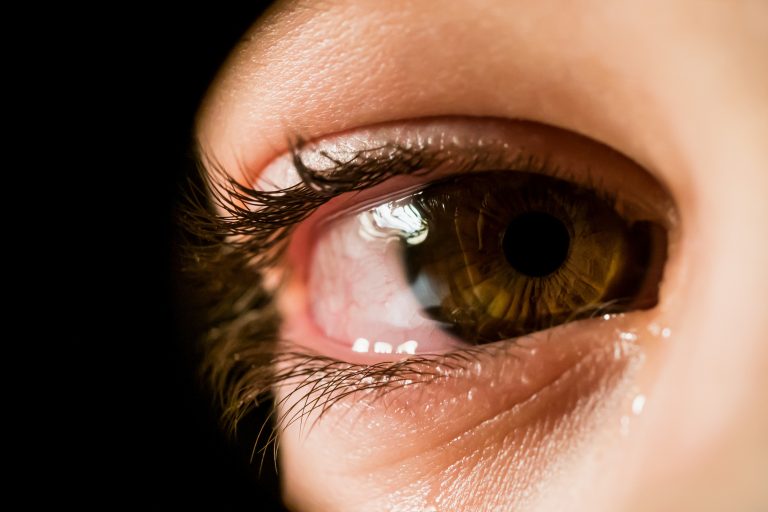
Pelargonic acid vanillylamide (PAVA) is a chemical irritant spray that can cause severe pain. It is classified as a prohibited weapon under the Firearms Act 1968, but it has been authorised for use in prisons.
Guidance for children in prison who have been sprayed with PAVA states: “PAVA can be very painful…When PAVA is used, people often feel severe pain in their eyes, they cough a lot, find it hard to think straight and might feel a burning sensation on their skin.”
We have seen a police training video that describes the spray more succinctly. “The best way I can describe it,” the instructor says in the transcript, “is it’s like wet fire.”
Why does the Howard League oppose its use in prisons holding children?
Our concerns about the use of PAVA spray in prisons go back almost a decade. PAVA spray has been used in prisons holding men since 2018, and there have been countless instances of the weapon being used inappropriately in that time.
Reports by HM Inspectorate of Prisons have revealed a multitude of problems with the misuse of PAVA spray in adult prisons, such as: insufficient attempts to de-escalate situations, resulting in it not being used as a last resort; insufficient evidence to justify its use; poor oversight and quality assurance; and, in at least one prison, no routine enquiry into its use to make sure it was justified or to ensure that any lessons could be learned.
We are also concerned about the disproportionate use of PAVA spray. About 38% of PAVA use impacts Black people, despite them comprising only about 12% of the whole prison population. Younger adults are particularly affected: about 43% of people aged 18 to 20 and about 46% of 21- to 24-year-olds impacted by PAVA in the first 10 months of 2025 were Black. Statistics published in 2024 showed that only about 21% of people aged 18 to 24 in prison were Black.
PAVA spray has been used disproportionately against Muslim people in prison, with about 40% of those impacted being Muslim, despite Muslim people making up only 18% of the prison population.
Data that we obtained through Freedom of Information Act requests showed disproportionate use against young adults in prisons, with about 56% of those impacted being aged 18 to 24.
The rollout of PAVA spray to Feltham A, Wetherby and Werrington was a dangerous escalation, arming staff in prisons that have failed routinely to provide the care and support that children need. In a report published in June 2025, HM Chief Inspector of Prisons, Charlie Taylor, found that children in these three prisons had little opportunity to build vital relationships with staff. Earlier that year, through Freedom of Information Act requests and monitoring of parliamentary questions, we established that children were typically being kept in their cells for about 20 hours a day and received less than 15 hours of education per week.
These are prisons where force is used frequently. Prisons that are, in the words of the Chief Inspector, “failing to help children learn better ways to manage frustration and conflict”.
What are the key concerns?
Notably, the Ministry of Justice did not expect the introduction of PAVA spray to reduce overall levels of violence in harm in prisons holding children. It recognised that it may in fact cause a “long-term escalation and rising tenor of violent behaviour”. But the policy was taken forward, as officials believed that it had the potential to prevent the infliction of immediate and serious harm and violence.
Shabana Mahmood made the decision to go ahead with the rollout in a meeting with the Youth Custody Service (YCS) in October 2024. She had been provided with an equality impact assessment and a child rights impact assessment that showed that Black children, Muslim children and children with disabilities were likely to be particularly adversely affected by the decision. She was recorded as saying that she had concerns about disproportionate use of PAVA spray (on Black children in particular), stating that “this is her red line and she would not defend disproportionality in use”.
The equality impact assessment and the child rights impact assessment were among several documents presented to ministers and civil servants that raised questions about the policy.
The YCS’ lead psychologist gave warning that “the use of incapacitant sprays… has the potential to escalate, rather than de-escalate, incidents” and that “not only could the implementation of PAVA… potentially contribute to the accumulation of trauma in this population but could also… potentially undermine the integrity of YCS approach”, which aims “to improve outcomes for children in its care in custody”.
NHS England advised that “higher rates of mental health problems [experienced by young people in custody] could put them at increased risk of PTSD” from the use of PAVA spray and that more research needed to be done on the impact of PAVA spray on children with autism and other neurodiversity.
HM Prison and Probation Service’s medical advisor and paediatric specialist noted the “paucity of information specifically about its use in children and young people, and medical implications” and made recommendations of further research that could be done.
We know all this because the information was made public through our litigation. In 2025, we went to the High Court to challenge the government’s decision to authorise the use of PAVA spray for use in prisons holding children.
A judge dismissed our claim and ruled that the government’s decision was lawful. But in the course of the two-day hearing he was told that the decision had been “finely balanced”, due to the risks involved and the controversial nature of the policy.
The judge seemed to take comfort from a reassurance offered by the government that PAVA spray would be used extremely rarely and as a last resort. We are monitoring the situation closely and will hold the government to account.
What has opposing this policy achieved?
We were not alone in opposing the government’s decision. We added our name to a joint statement signed by 37 other organisations and individuals working in children’s rights and youth justice, which called the decision “an abject failure in safeguarding those children held in custody”.
The Youth Justice Board, the Children’s Commissioner for England, NHS England, the British Association of Social Workers and the Independent Monitoring Boards were among many other dissenting voices – and the strength of opposition was so significant that it forced the government to implement additional safeguards.
This is why PAVA spray has been authorised for use by a small number of highly trained officers, and not all staff as was originally proposed.
What is the Howard League doing about it now?
Although the government has been forced to implement additional safeguards, we continue to have serious reservations about how effective any purported mitigations can ever be, knowing as we do the enduring harm already caused by the use of other pain-inducing techniques against children in prison.
In particular, safeguards such as local and national operational reviews, child protection referrals and scrutiny by the Independent Restraint Review Panel have not prevented widespread misuse and persistent disproportionality to date.
We operate a legal advice line for children and young people in custody, and we are receiving calls about PAVA spray being used. We continue to advise children and young adults who are sprayed with PAVA, as well as doing all we can to monitor its use and governance. We will not hesitate to take further action if necessary.

TV debate: “Evidence is against the use of PAVA spray”
In November 2023, we appeared on Channel 4 News to explain why we oppose the rollout of PAVA spray to prisons holding children.
In a seven-minute debate with the POA, our Chief Executive, Andrea Coomber KC (Hon.), told the programme: “The evidence is against the use of PAVA spray. The review of its use in the adult estate in 2018 showed that it actually didn’t act to quell violence; all it did, really, was undermine confidence and trust of people who were being sprayed.
“We need strong positive relationships between prison staff and children, and I think we should not minimise what this is. This is a weapon that is prohibited under the Firearms Act 1968.”
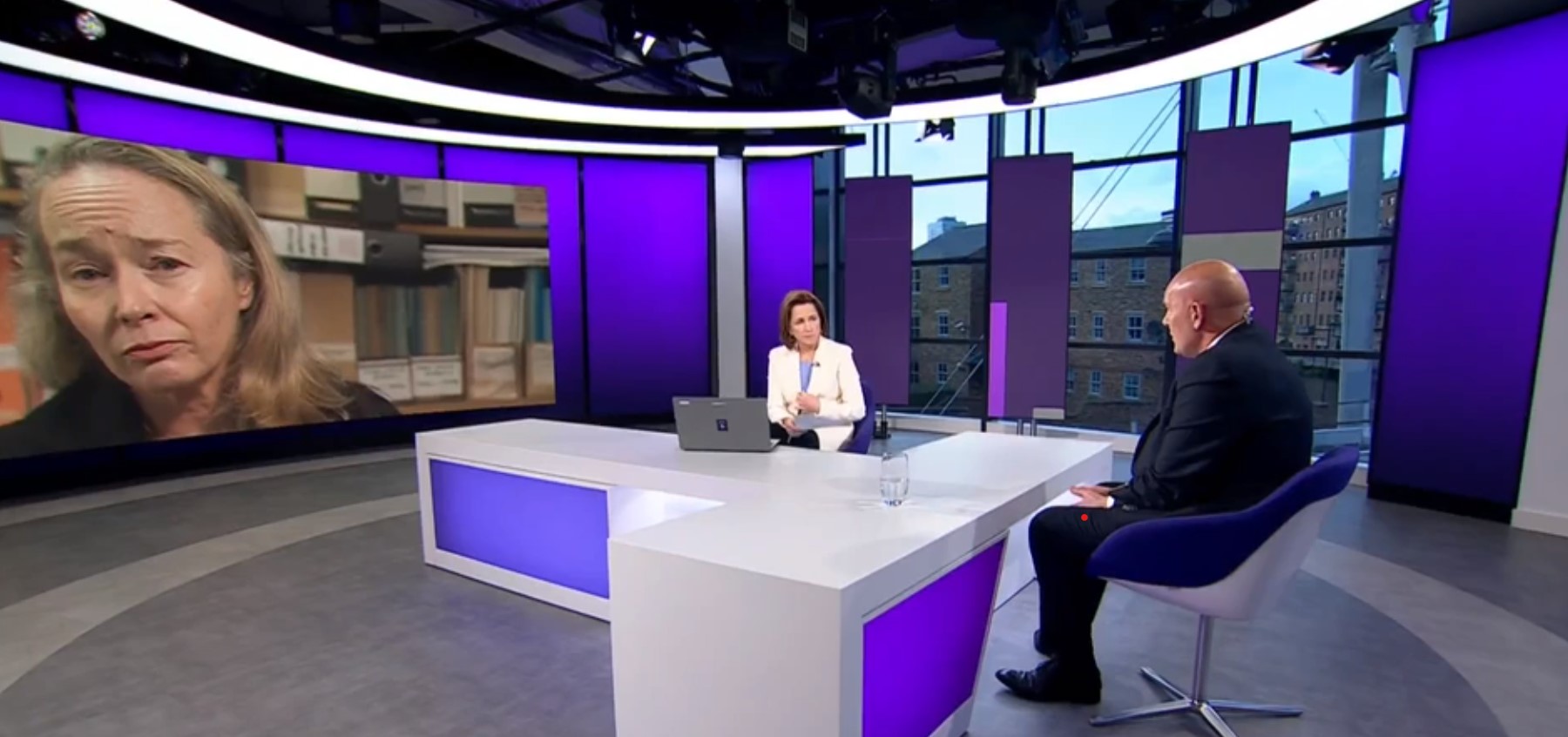
Andrea Coomber KC (Hon.) appears on Channel 4 News to discuss PAVA spray in November 2023
-
Join the Howard League
We are the world's oldest prison charity, bringing people together to advocate for change.
Join us and make your voice heard -
Support our work
We safeguard our independence and do not accept any funding from government.
Make a donation